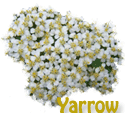
Yarrow is
a very valuable medicinal herb, with much scientific evidence for it's use in alternative
medicine. Yarrow has been used as an antiseptic, antispasmodic, astringent, carminative,
diaphoretic, digestive aid, stimulant, vasodilator and is used in the treatment and
healing of wounds. It is used against colds, cramps, fevers, kidney disorders, toothaches,
skin irritations, and hemorrhages, to regulate menses, stimulate the flow of bile, and
purify the blood. Medicinal tea (in enemas) is a good remedy for severe colds and flu, for
stomach ulcers, amenorrhea, abdominal cramps, abscesses, trauma and bleeding, and to
reduce inflammation.
Scientists
have identified over one hundred active chemical compounds in yarrow, including the
intensely blue-colored azulene derivatives found in the essential oil of yarrow and at
least two species of chamomile (Chamaemelum nobile (L.) and Matricaria recutita ). Other
chemical constituents in yarrow include lactones, flavonoids, tannins, coumarins,
saponins, sterols, sugars, a bitter glyco-alkaloid, and amino acids . The aerial parts of
yarrow, particularly the wild white-flowered variety, are most often used in medicinal
remedies.
Yarrow may also act as an anti-neoplastic drug (Inhibiting or
preventing the growth or development of malignant or cancerous cells)
The
essential oil, extracted by steam distillation of the flowers, is dark blue in color and
has anti-inflammatory, anti-allergenic, and antispasmodic properties. Fresh yarrow leaf
chewed slowly is said to relieve toothache . The herb has also been used to induce
nosebleed in an attempt to relieve migraine headache . Yarrow appears to be beneficial in
reducing high blood pressure. Flavonoids in the herb act to dilate the peripheral arteries
and help to clear blood clots
Topically
it is useful for treating wounds and stopping the flow of blood. Yarrow oil has been
traditionally used in hair shampoos. Some caution is advised , large or frequent doses
taken over a long period may cause the skin to be more sensitive to sunlight.
Enema Recipe:
2 tbsp. powdered herb or four capsules of yarrow, empty capsules in water container
2 quarts warm filtered water ( Mix well )
Temperature 103° Fahrenheit
Directions for
Administering an Enema
|